
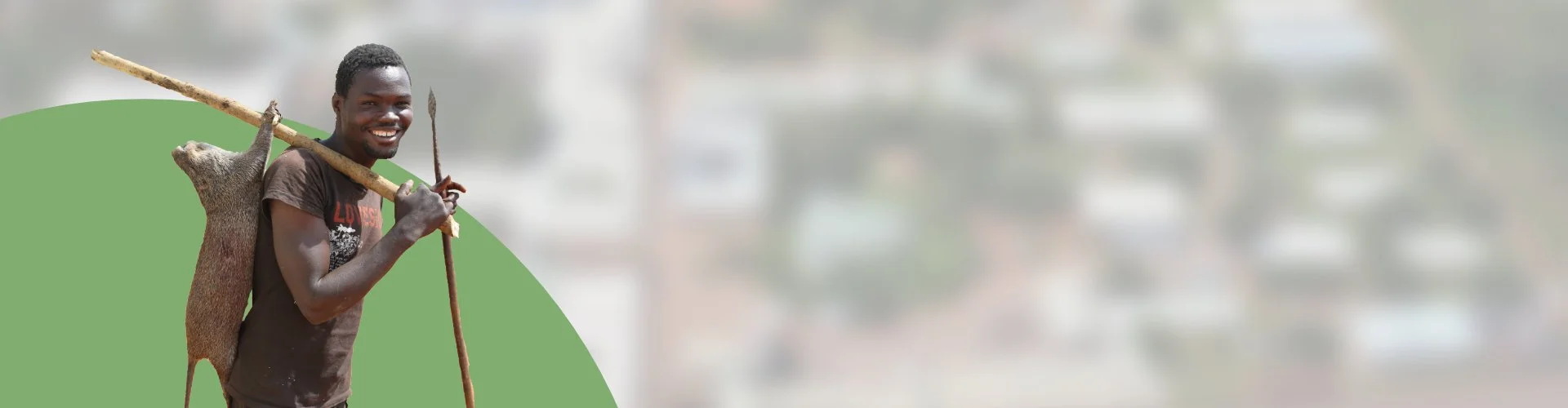
What comes to mind when you think of Uganda?
For many of us, the answer comes from news stories about poverty, conflict, or foreign aid. Those stories are not necessarily wrong. They are simply incomplete.
Uganda is also a country of more than 50 languages, remarkable landscapes, growing businesses, and people working to improve their communities. This free guide offers a closer look at the country, with a particular focus on northern Uganda and the people who call it home.
Questions Worth Asking:
Is poverty in Uganda unavoidable?
How has life in Uganda changed?
What makes outside support effective in the long term?
What does progress look like after decades of conflict?
These questions do not have simple answers. That is exactly why we created this guide.
Get Your Free Ebook
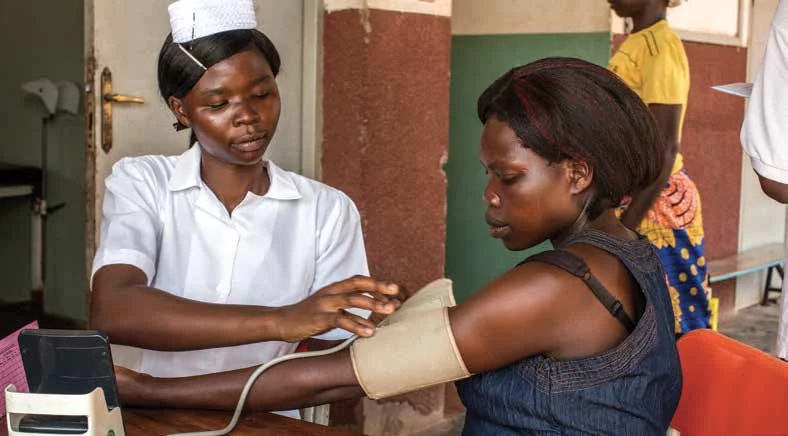
Uganda is changing…
Northern Uganda continues to face challenges, particularly in rural communities where access to healthcare, education, clean water, electricity, and economic opportunity can be limited.
…but that is not where the story ends.
Poverty has declined. More children are attending school. More families are starting businesses and earning income beyond farming.
Change is happening, but not everywhere at the same pace. Looking at what has both improved and where challenges remain give us a more complete picture of Uganda today.
Inside the Guide

A Different Introduction to Uganda
Explore its geography, languages, food, wildlife, and a few facts that may surprise you Glaciers on the equator? Half the world's mountain gorillas?

the history of northern uganda
Learn how the Lord’s Resistance Army conflict affected the region, , why thousands of children became known as Night Commuters, and how that history continues to influence northern Uganda today.

life in uganda today
See what has changed in healthcare, education, poverty, and household businesses,and where significant barriers remain.


the people doing the work
Meet Dr. Emintone Odong, Acan Pamela Joseph, Sister Rose, and others whose work is improving healthcare in their communities.

a closer look at foreign aid
Consider why some forms of outside support fall short and why the way support is provided matters.

Three assumptions worth reconsidering
Take a closer look at common ideas, about poverty, development, and foreign aid..
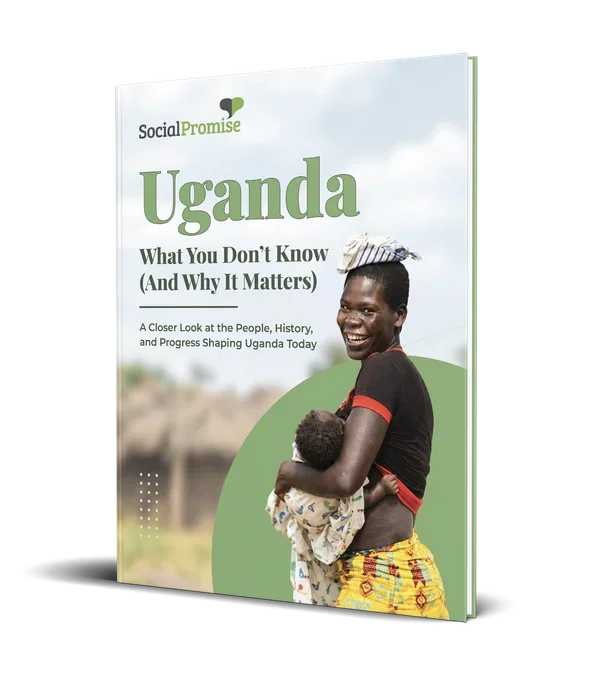
Why We Made This Guide
Social Promise’s connection to northern Uganda began in 2000, when one of our founding directors traveled to Gulu as part of the CDC’s response to an Ebola outbreak. The relationship that grew from that experience eventually led to the start of Social Promise.
We believe the people closest to a community understand its needs best. . That belief guides our work with Lacor Hospital today and is also why we created this guide: to share what we’ve learned, look beyond some common assumptions, and introduce readers to some of the people working in northern Uganda today.
Download your free copy and discover more of Uganda’s story.