
OUR WORK
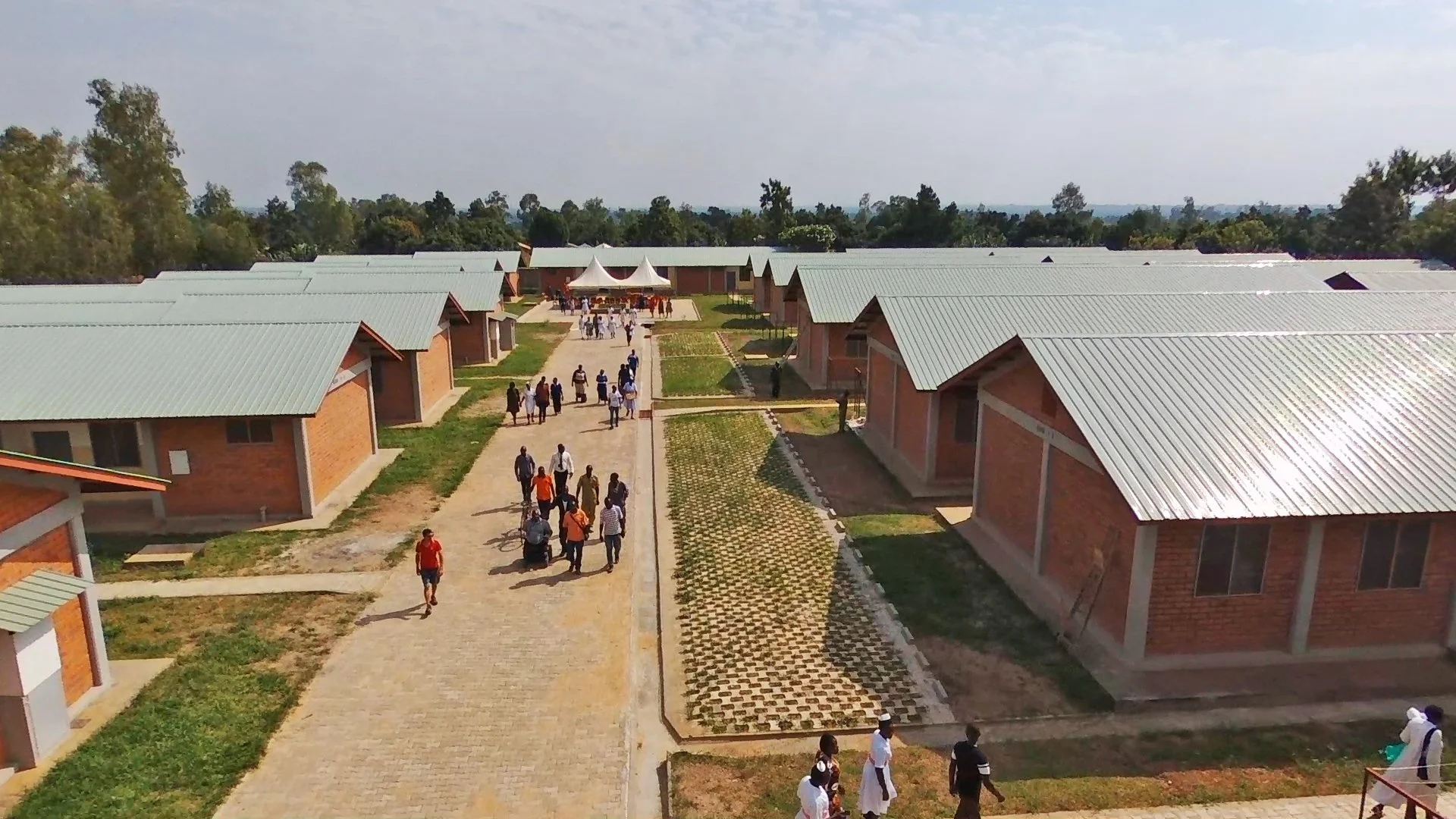
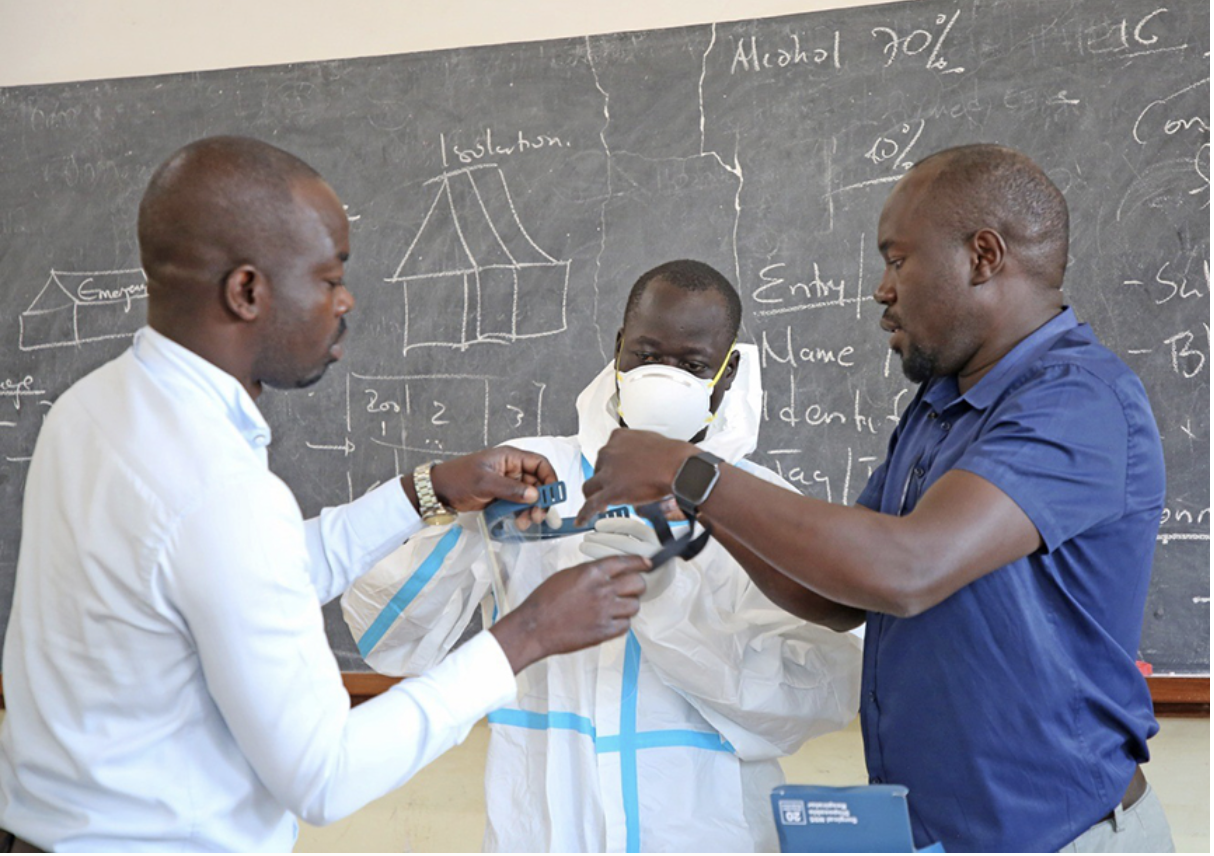
Social Promise connects you with locally led organizations improving health and education in northern Uganda.
We believe the people closest to a community understand its needs best. Your support invests in local expertise, priorities identified by local leaders, and institutions committed to their communities for the long term. Locally led institutions contribute not only to health and education, but to the local economy as well.
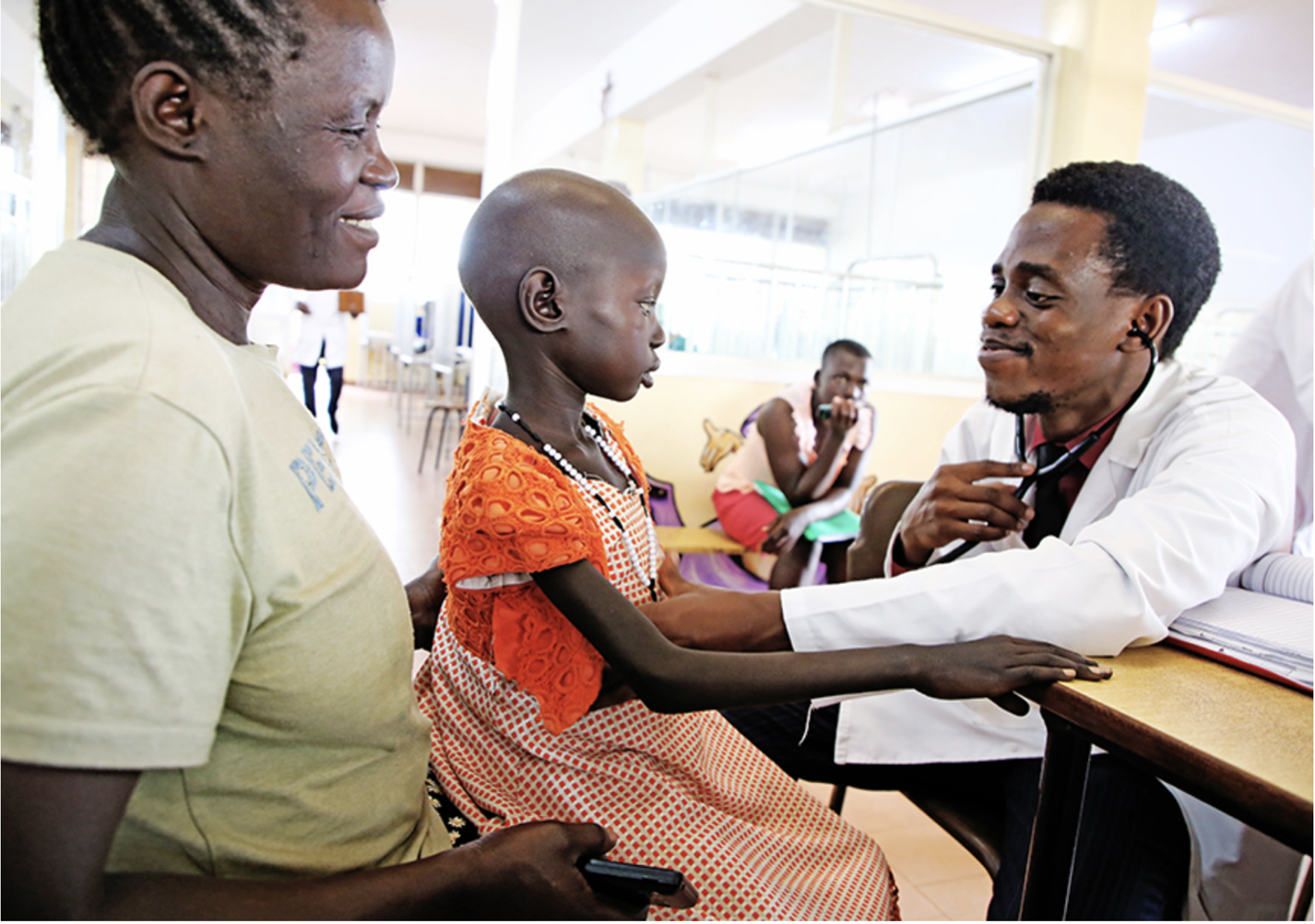
HEALTH
89%
of births are assisted by a trained healthcare professional

EDUCATION
71%
of young children are developmentally on track

LOCAL ECONOMY
69%
of local business owners got started using their own savings
Sources: Uganda Demographic and Health Survey 2022; Uganda National Household Survey 2023/24. Statistics reflect data from the Acholi subregion of northern Uganda.
Why Give Through Social Promise?
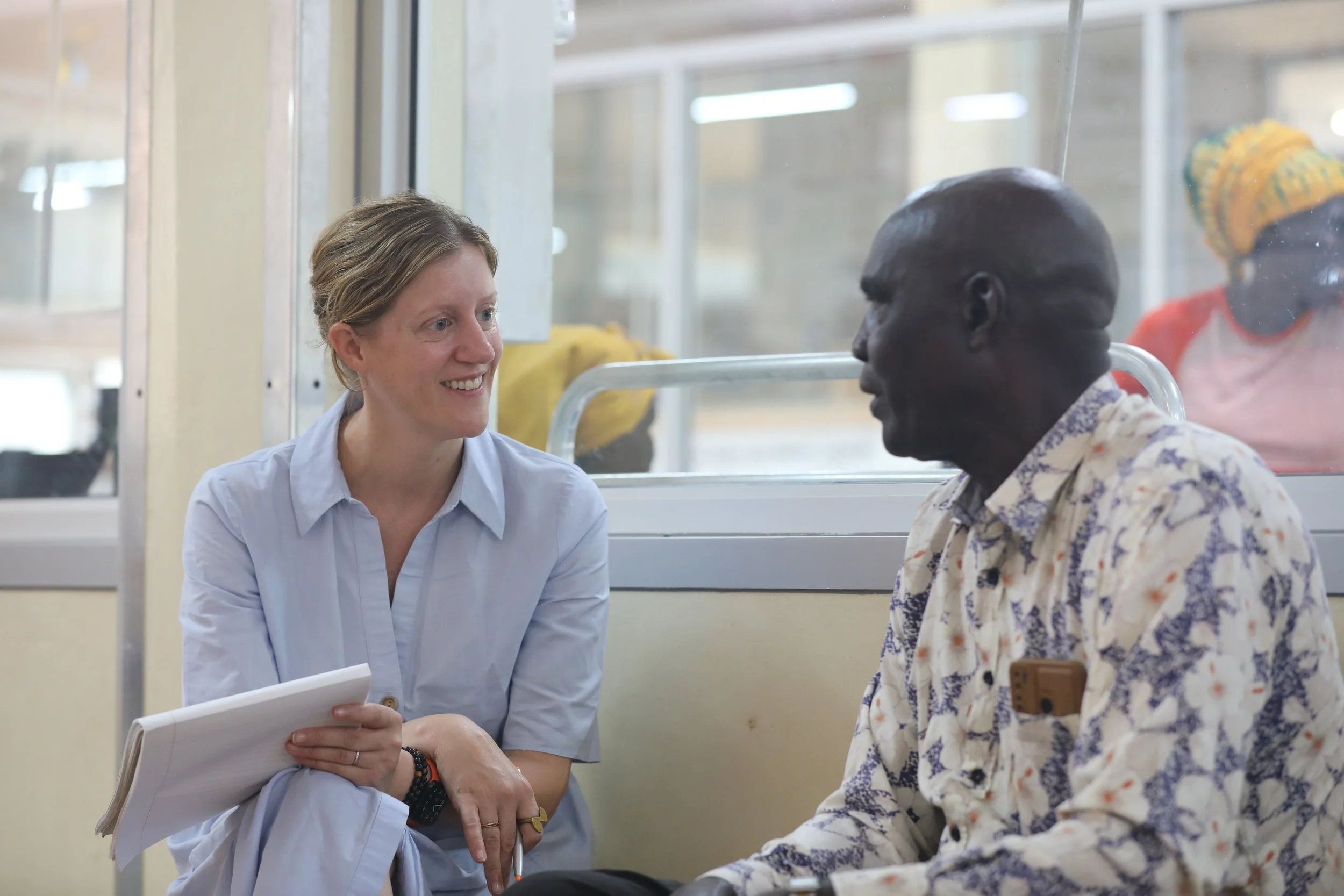
You want a direct connection
Our long-standing relationships with Ugandan organizations give you a direct connection to the people and institutions you support. You can get to know their leaders, understand priorities, and see what your support makes possible.
Learn More

You want to give effectively
Your donation supports priorities identified by our Ugandan partners. This gives them the flexibility to respond to changing needs, make decisions based on what will be most useful, and plan with confidence for the future.
Learn More
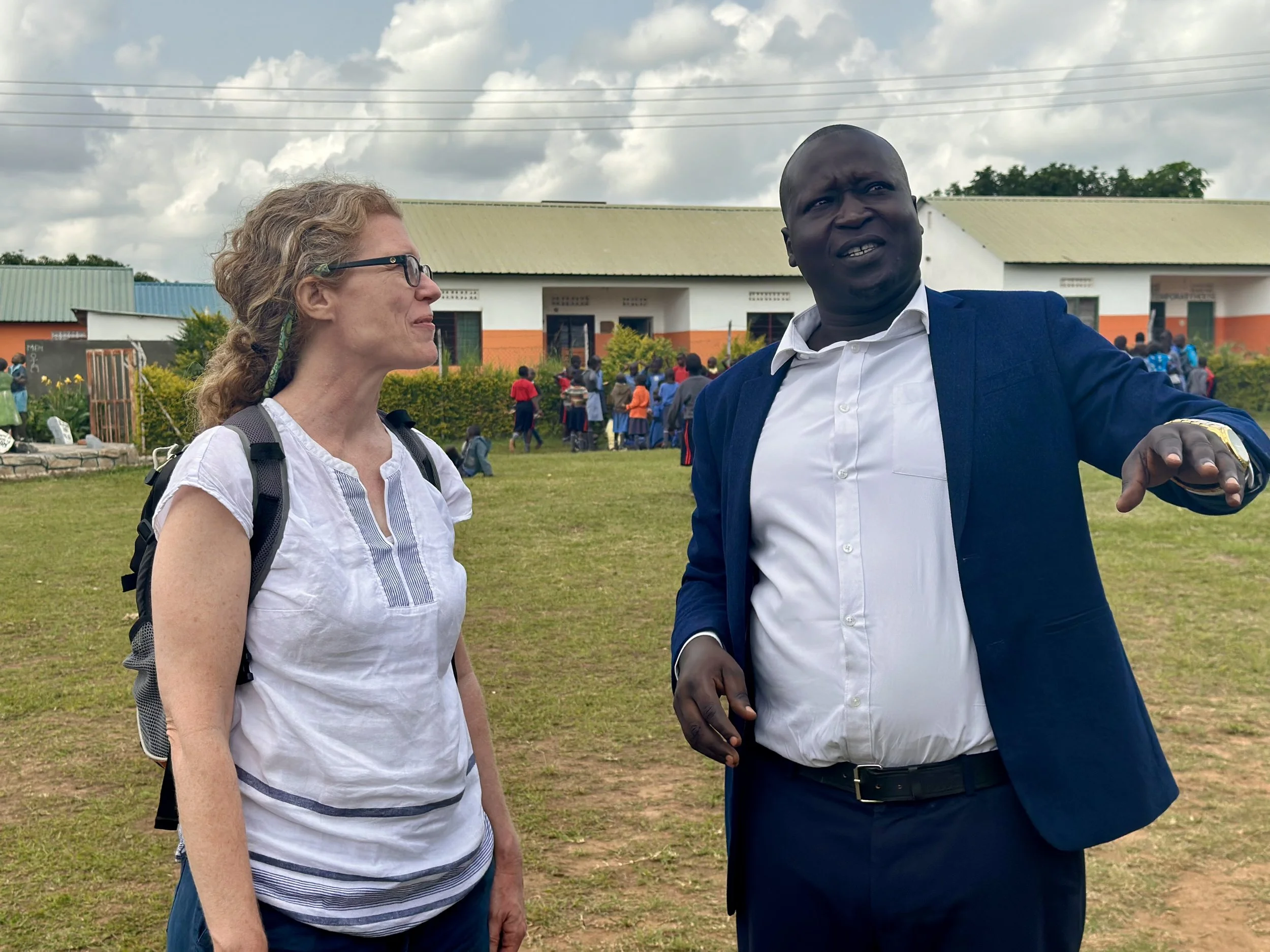
You deserve to know
You should know where your donation goes and how it is used. Social Promise stays closely connected with our Ugandan partners, receives detailed reporting on the funding we provide, and shares their progress and challenges with you.
Learn More

the blog
Catch up on the latest.
Blog